
Structural deck repair and wood rot restoration services in Charlestown, New Hampshire.
When your deck has soft spots in the framing, loose railings, or boards that feel spongy when you step on them, the problem is usually in the structure underneath. T2B Carpentry, LLC handles deck repairs in Charlestown that address rot, failing fasteners, and framing that no longer meets the load it was built to carry. The goal is to restore safety and stability without tearing out the entire deck unless it is truly beyond repair.
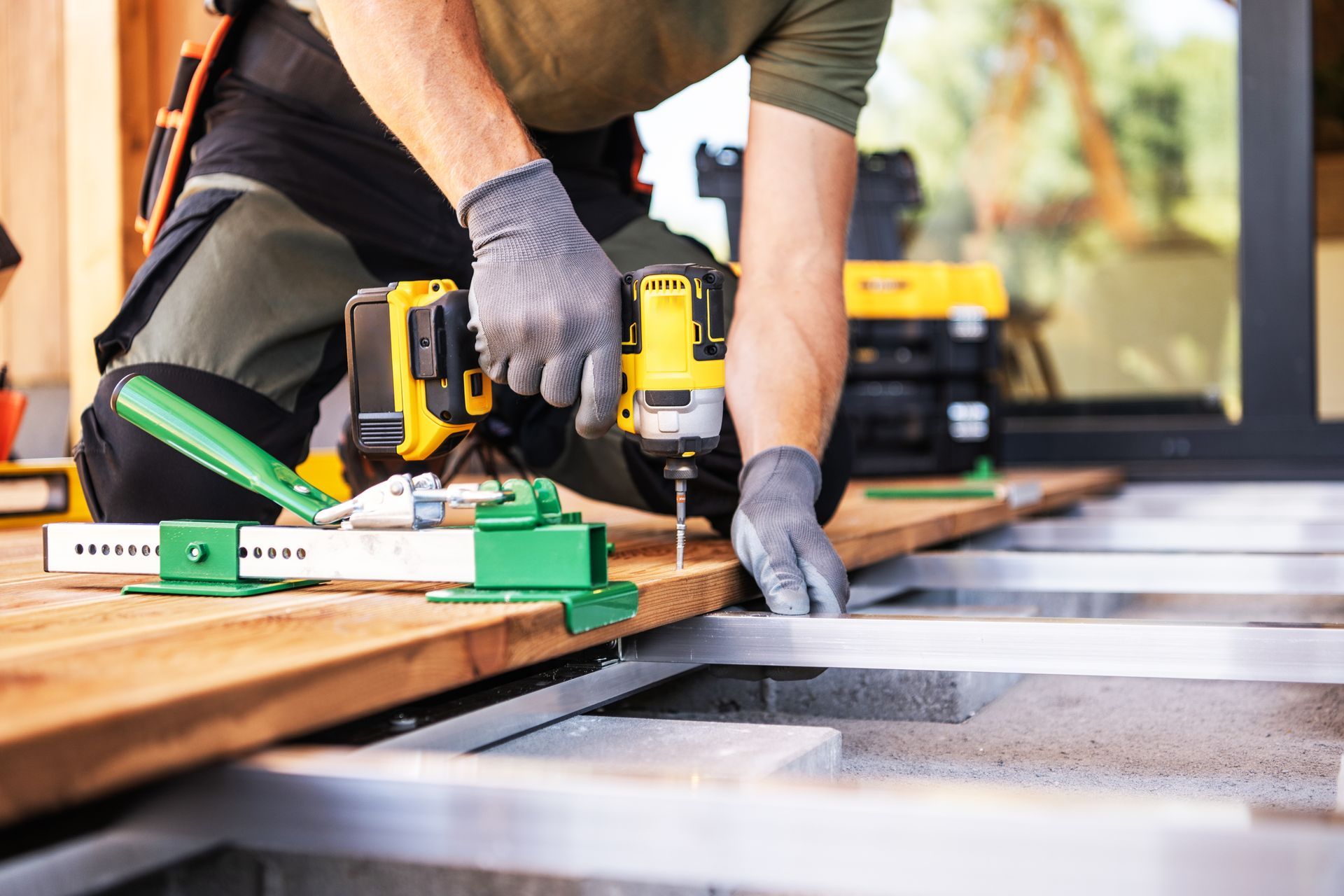
Structural deck repair involves identifying which joists, beams, or posts are compromised, removing the damaged sections, and replacing them with new lumber that is properly sized and fastened. Rotted rim joists are sistered or replaced, loose ledger boards are reattached to the house with lag bolts, and posts that have settled or split are swapped out. Surface decking is removed only where necessary to access the framing below.
If your deck in Charlestown feels unsafe or shows visible signs of rot, contact T2B Carpentry, LLC to schedule an inspection and find out what needs to be fixed.
Fix the Frame Before It Gets Worse
What Structural Deck Repair Actually Involves
The repair process starts with inspecting the deck frame to locate soft wood, rust-stained fasteners, and areas where water has been sitting against untreated lumber. In Charlestown, rot often shows up where joists rest on beams, where posts meet the ground, or along the ledger board where flashing was missing or improperly installed. Damaged sections are cut out and replaced with pressure-treated lumber, and all connections are secured with galvanized or stainless fasteners.
Once the framing is repaired, the deck will no longer flex or bounce when you walk across it, railings will feel solid, and stairs will stop shifting under weight. The structure is restored to the point where it can safely carry the load it was designed for.
If decking boards are still in good shape, they are reinstalled after the frame is fixed. If boards are also rotted or cracked, they can be replaced at the same time. Repairs do not always require a full rebuild, but they do require accessing the framing to confirm what is still structurally sound.
How can I tell if my deck has structural damage?
Soft or spongy areas in the framing, boards that crack or split easily, and railings that wobble are signs of structural damage. If you can push a screwdriver into the wood without much resistance, that section is rotted and needs to be replaced.
What causes wood rot in deck framing?
Rot develops when water sits against untreated or improperly sealed wood for long periods. Common causes include missing flashing, poor drainage, boards installed without spacing, and ground contact without proper pressure treatment.
Why do some joists rot while others do not?
Joists that sit in areas with poor airflow, direct water exposure, or contact with soil rot faster. Joists near downspouts, under planters, or close to grade are more likely to fail than those in open, well-ventilated areas.
How long do deck repairs last?
Repairs using properly treated lumber and corrosion-resistant fasteners can last as long as the original structure if the underlying cause of the damage is addressed. If drainage or flashing issues are not fixed, rot will return.
What is the difference between sistering a joist and replacing it?
Sistering means attaching a new joist alongside a damaged one to restore strength without removing the old board. Replacement involves cutting out the damaged joist entirely and installing a new one in its place. The method depends on how much of the joist is still solid.
If you notice soft spots, loose railings, or visible rot on your deck in Charlestown, get in touch with T2B Carpentry, LLC to assess the framing and determine what needs to be repaired before the damage spreads.
What People Ask About Deck Repairs
Homeowners in Charlestown who are dealing with deck issues often want to know how much can be saved, whether repairs will last, and how to tell the difference between cosmetic damage and structural failure. These are the questions that come up most during inspections.